Postdoctoral Research
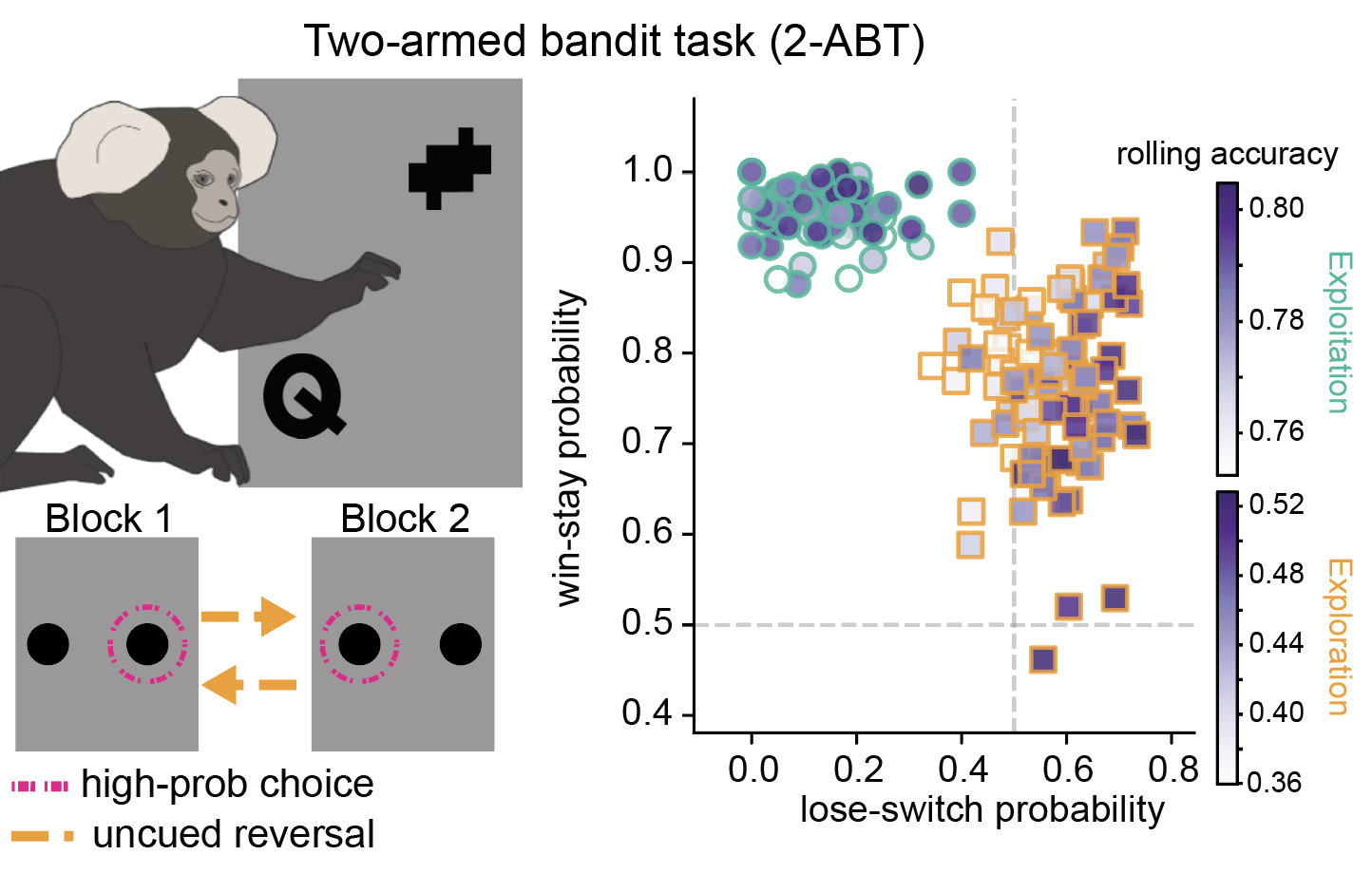
KJ Mastro, L Stanwicks, K Lord-Arond, E Schoenbeck, AJ Melain, MJ Johnson, BL Sabatini, BL Stevens
bioRxiv 2026 · In review
Identified distinct, persistent behavioral states of exploitation and exploration in common marmosets and showed that reward predictability reorganizes the distribution and stability of those states.
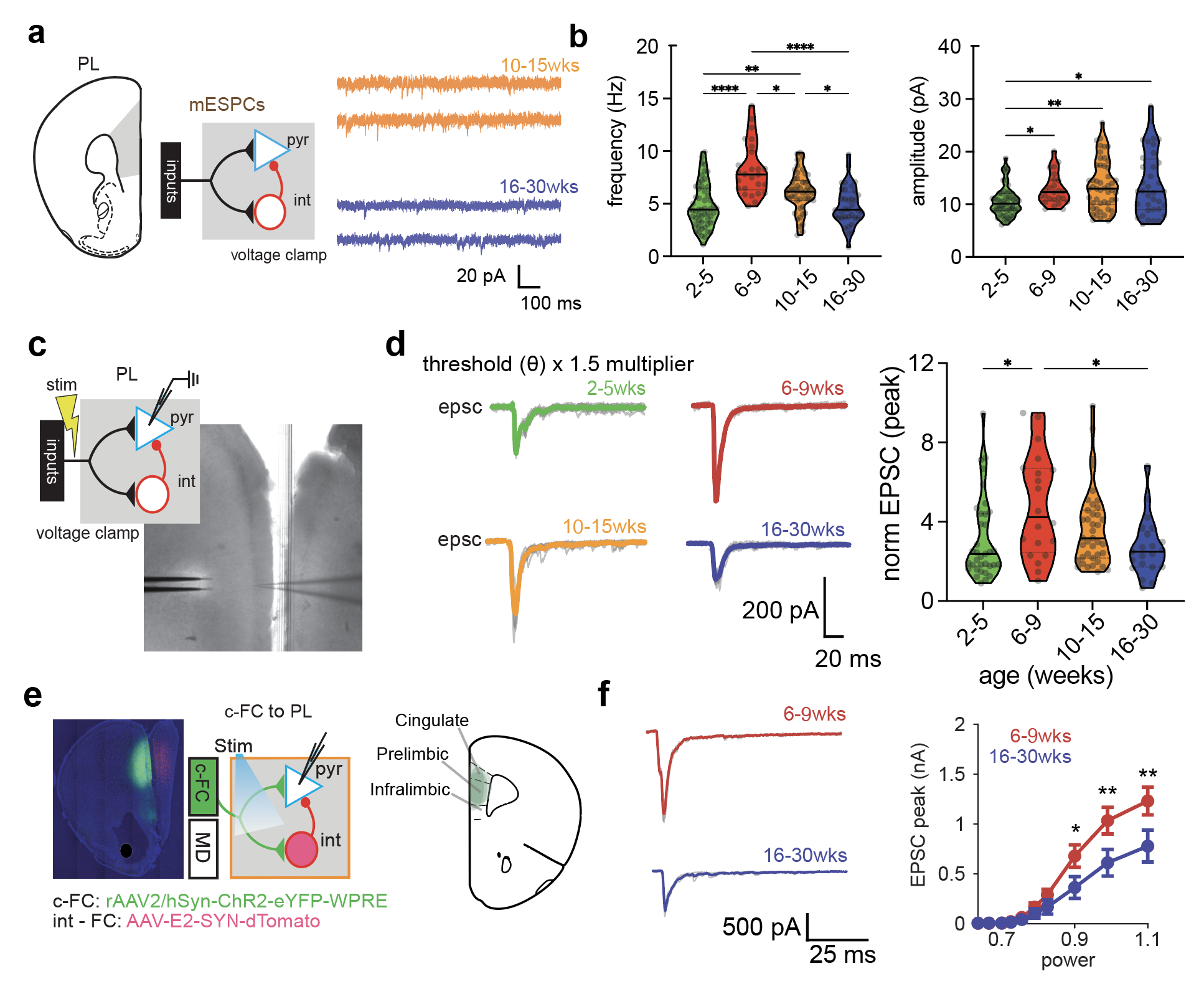
KJ Mastro, WC Lee, W Wang, BL Stevens, BL Sabatini
bioRxiv 2025 · In review
Showed that opponent maturation of PV- and SST-mediated inhibition in mouse medial prefrontal cortex drives age-dependent shifts in decision-making strategy across postnatal development.
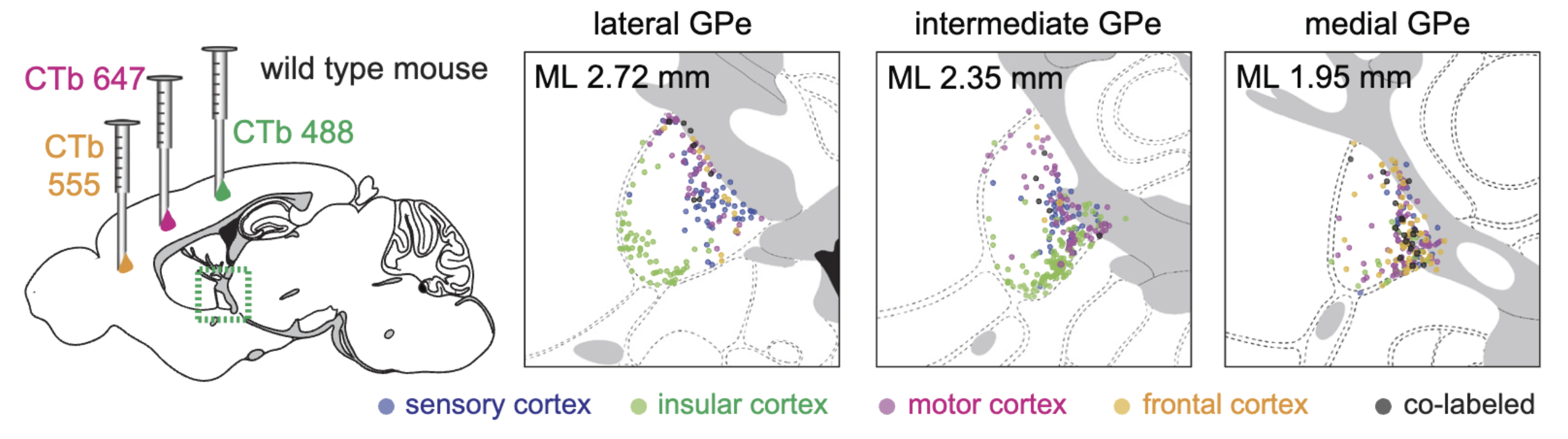
EA Ferenczi, W Wang, A Biswas, T Pottala, Y Dong, … KJ Mastro, BL Sabatini
PNAS 2025
Mapped reciprocal GPe-cortex projections across motor and nonmotor territories, revealing broad pallidal influence on cortical function beyond classic motor control circuits.
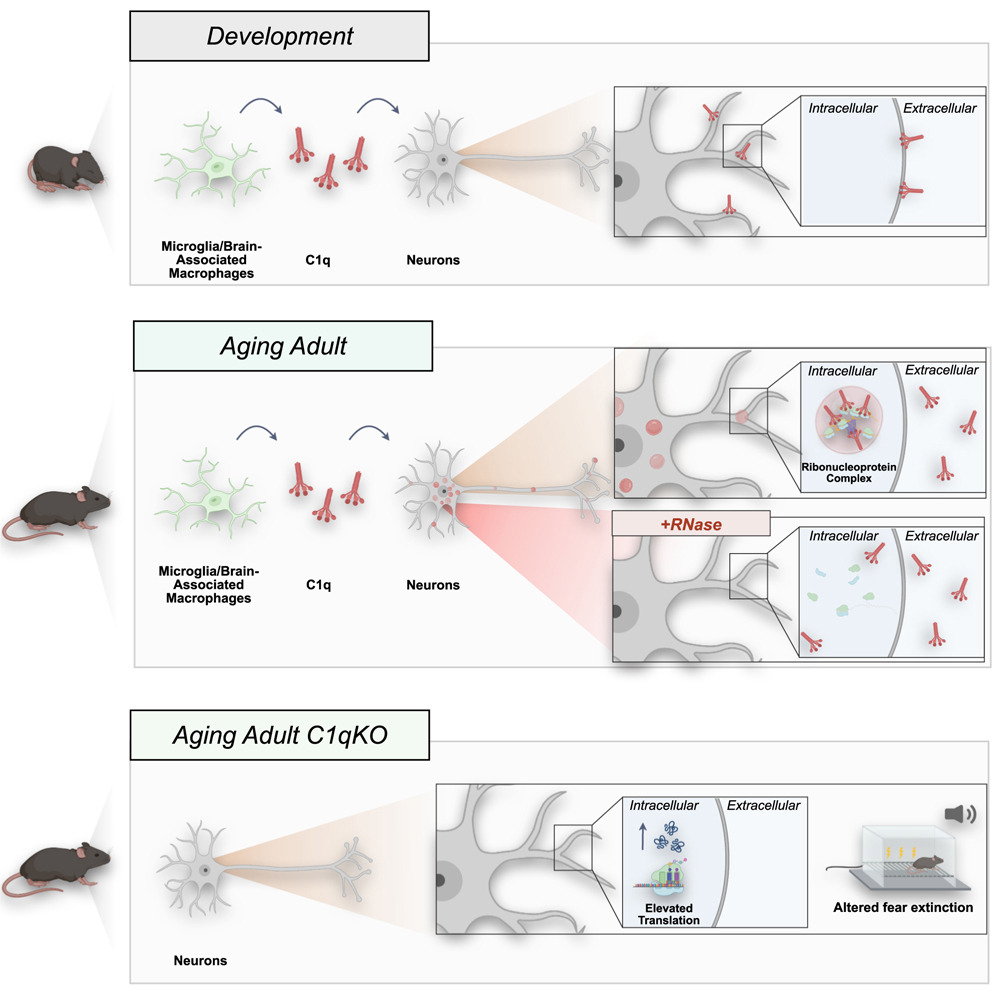
N Scott-Hewitt, M Mahoney, Y Huang, N Korte, … KJ Mastro, … B Stevens
Cell 2024
Discovered that microglial complement protein C1q enters neurons and integrates into ribonucleoprotein complexes, implicating microglia-to-neuron protein transfer as a mechanism of age-related decline.
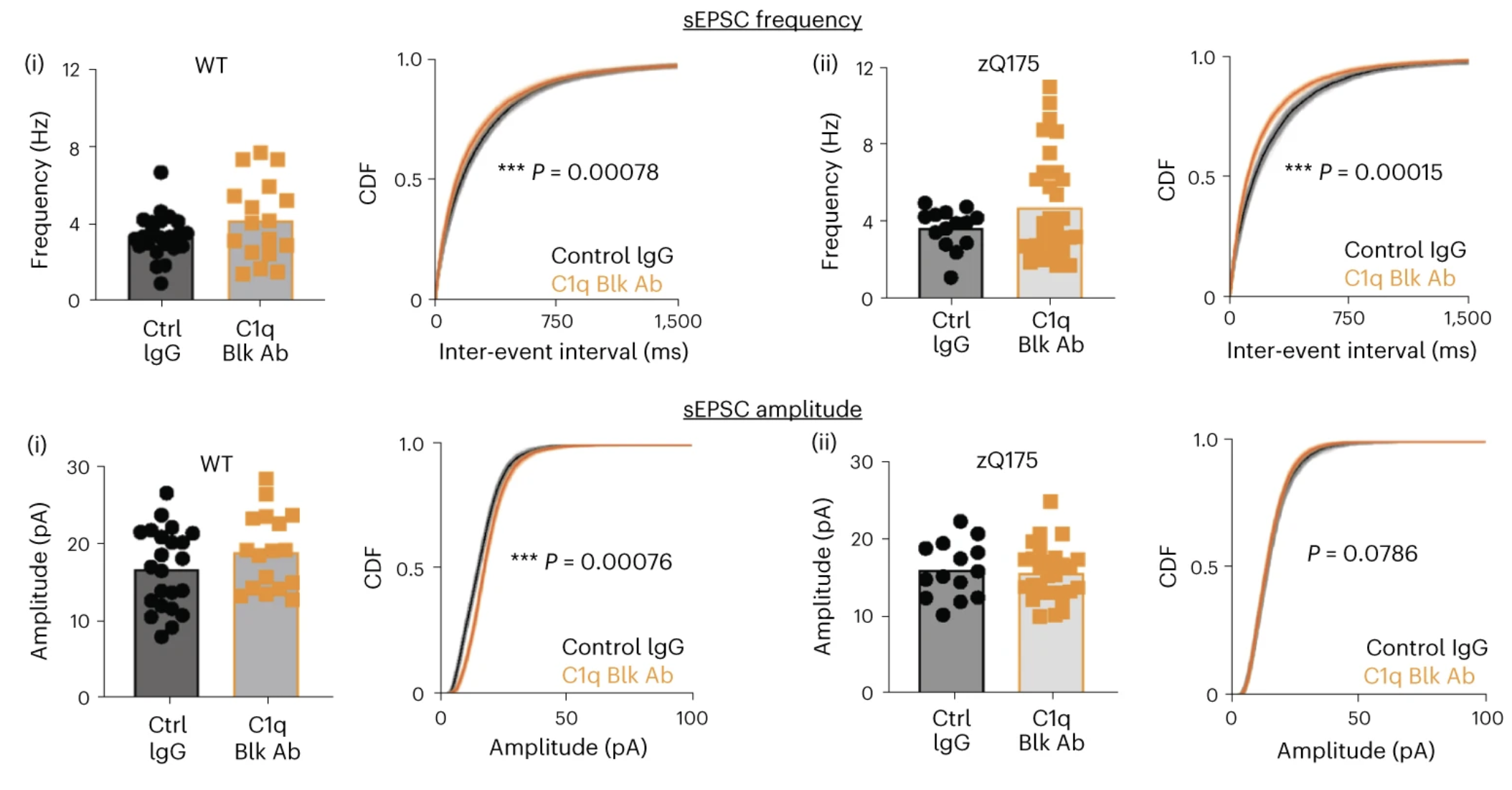
DK Wilton, KJ Mastro, BL Stevens
Nature Medicine 2023
Demonstrated that microglia-mediated complement-dependent synapse elimination drives early corticostriatal synapse loss and cognitive deficits in mouse models and human Huntington's disease tissue.
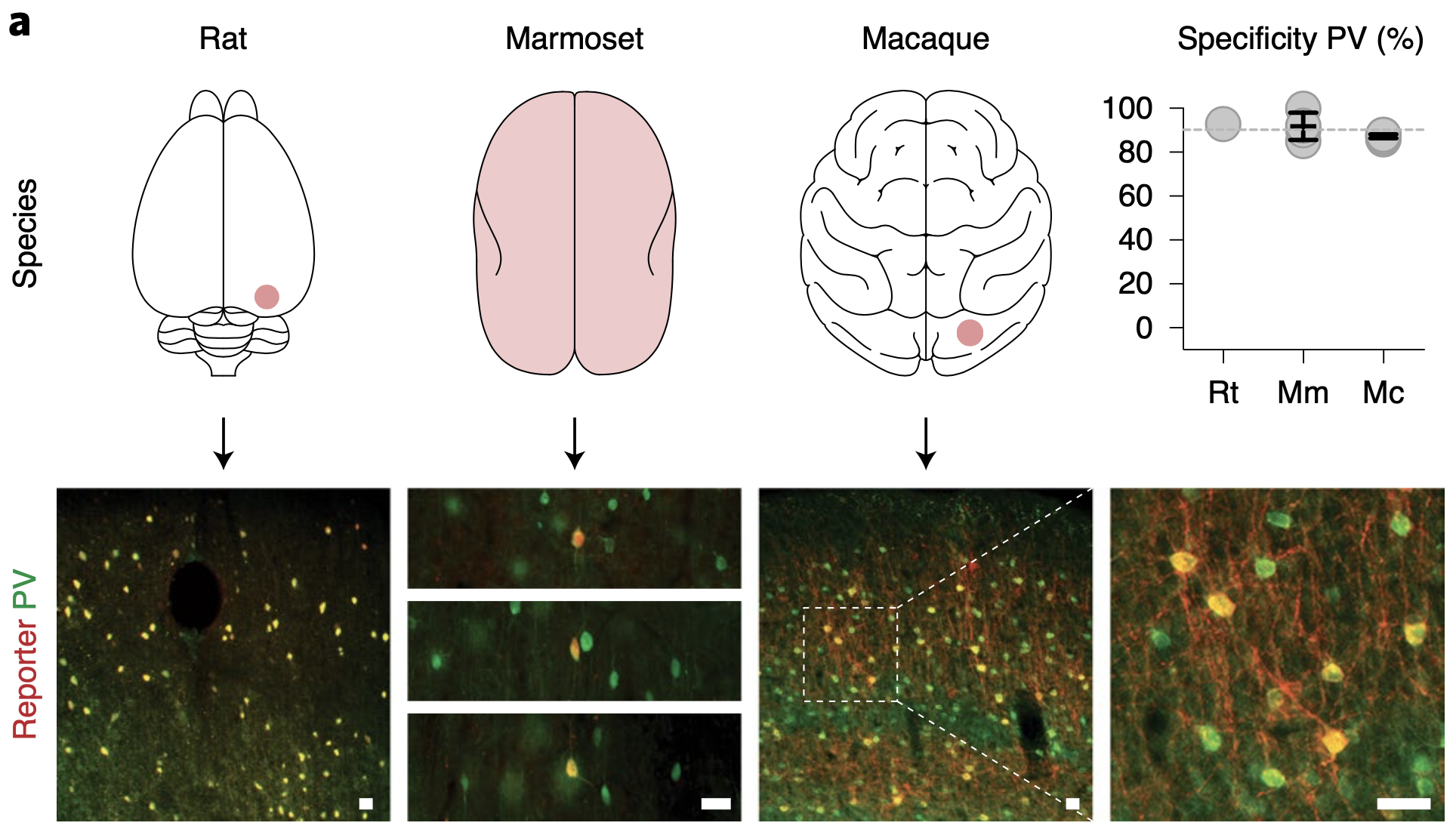
D Vormstein-Schneider, JD Lin, et al., KJ Mastro, … J Dimidschstein
Nature Neuroscience 2020
Validated a PV-specific viral promoter across rodent, non-human primate, and human cortex, enabling cell-type-targeted circuit manipulation in species where genetic tools are limited.
PhD Research · Gittis Lab, Carnegie Mellon University
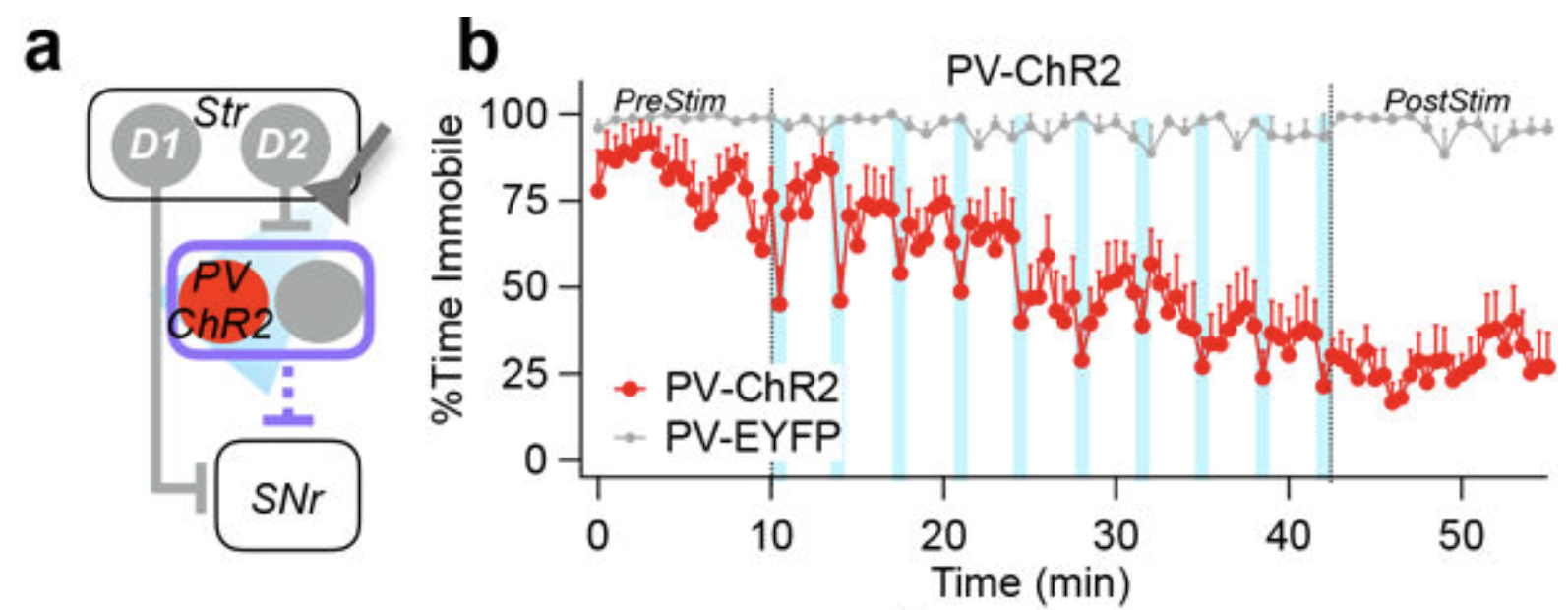
KJ Mastro, KT Zitelli, AM Willard, KH Leblanc, AV Kravitz, AH Gittis
Nature Neuroscience 2017
Showed that selective optogenetic activation of PV-positive globus pallidus neurons suppresses pathological basal ganglia bursting and produces sustained motor recovery in a Parkinson's disease mouse model.
AM Willard, BR Isett, TC Whalen, KJ Mastro, CS Ki, X Mao, AH Gittis
eLife 2019
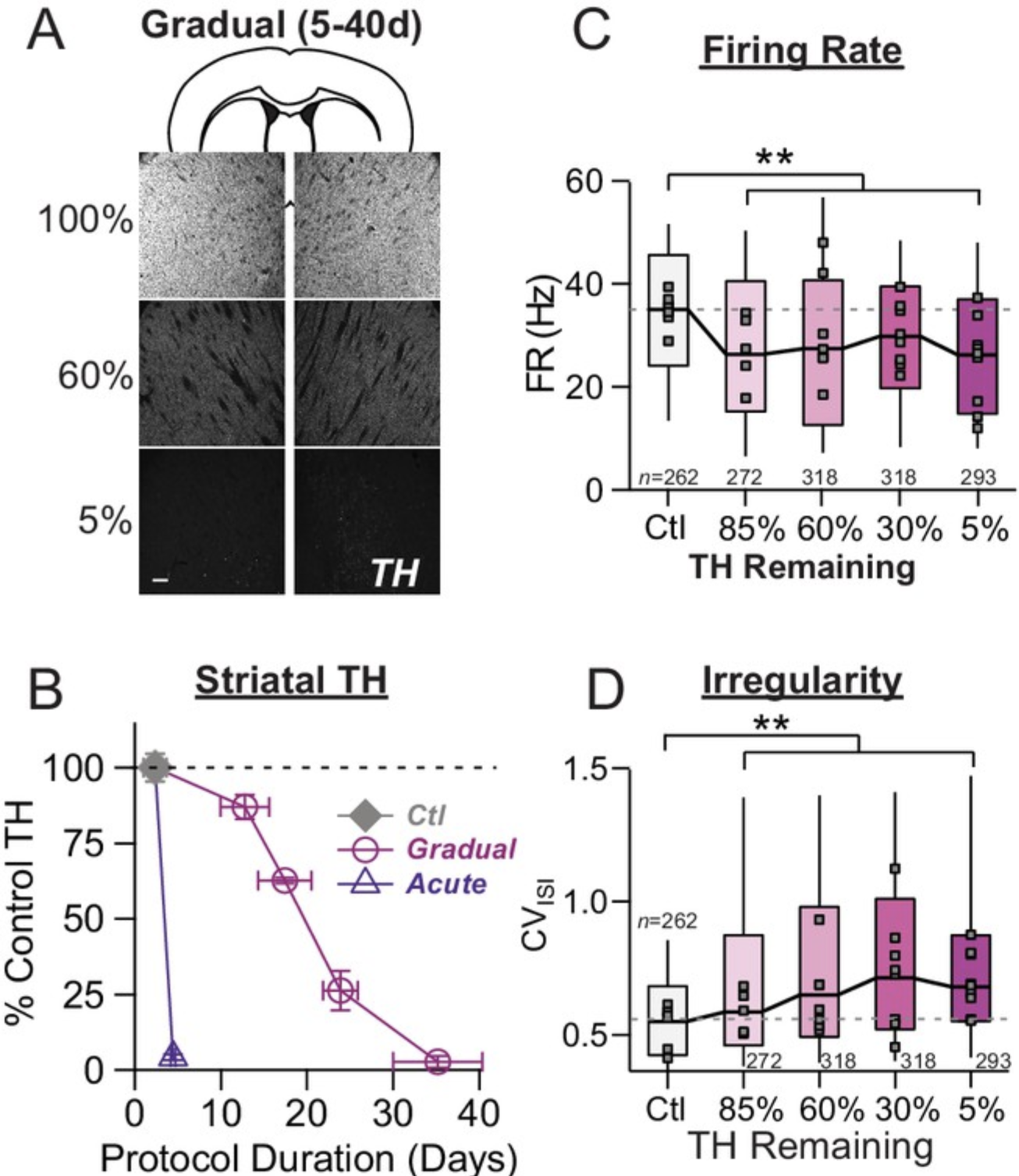
Identified that abnormal state transitions in basal ganglia output nuclei precede overt motor symptoms across multiple models of dopamine depletion, linking circuit dynamics to disease onset.
KJ Mastro, RS Bouchard, HAK Holt, AH Gittis
Journal of Neuroscience 2014
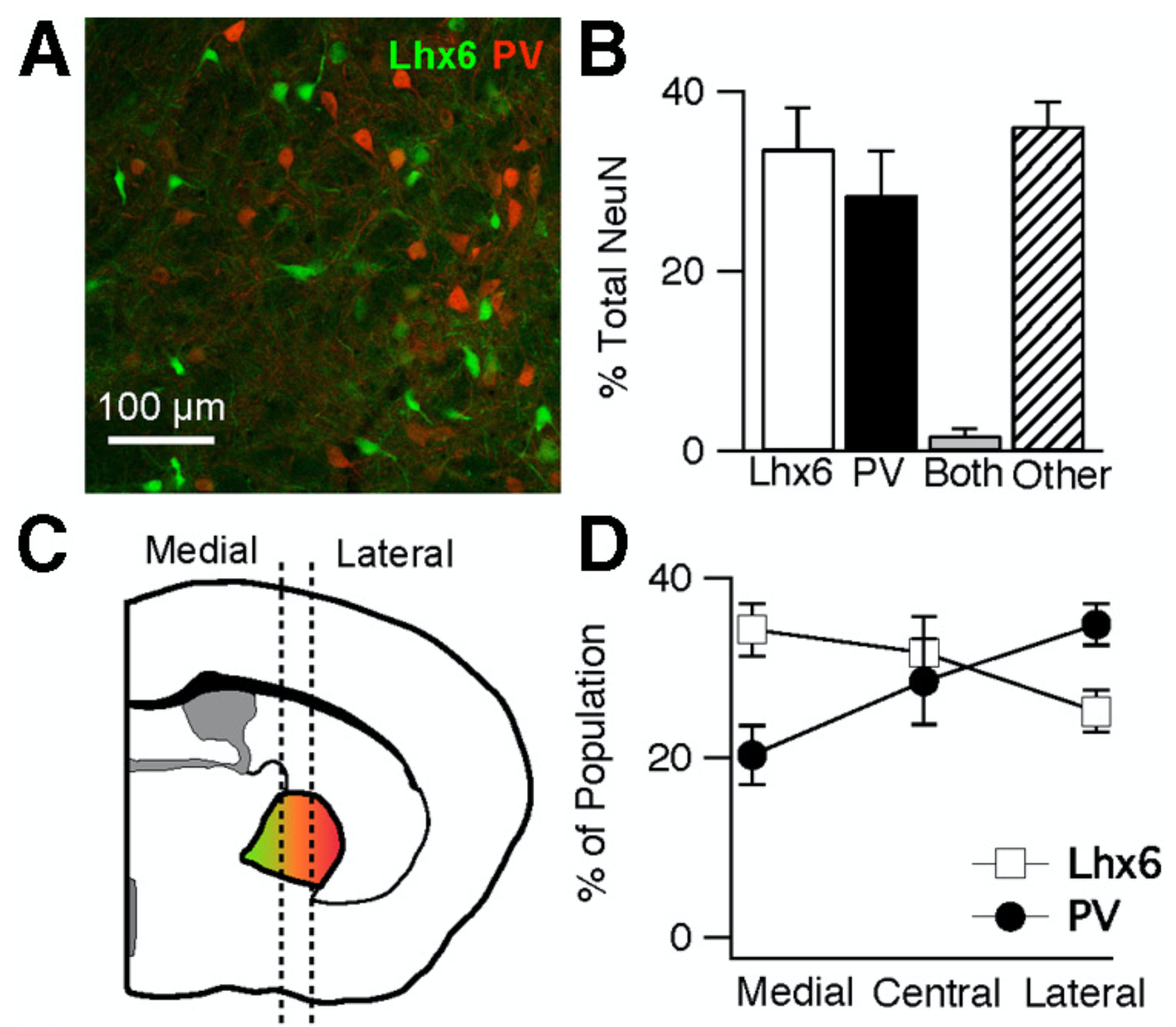
Defined molecularly, anatomically, and physiologically distinct cell types within the globus pallidus externa, establishing a classification framework for basal ganglia circuit analysis.
Teaching & Service
2021–2025
Head Teaching Fellow, Introduction to Neurobiology (MCB 80), Harvard University
2023–2025
Gordon Research Seminar Co-Chair, Modulation of Neural Circuits and Behavior
2020–2024
Executive Member & Education Subcommittee Chair, Diversity and Inclusion Committee, Department of Neurobiology, Harvard Medical School
2020–present
Residential Advisor, Kirkland House, Harvard College
2019–2024
Teaching Fellow, Advanced Neurophysiology (MCB 115), Harvard University